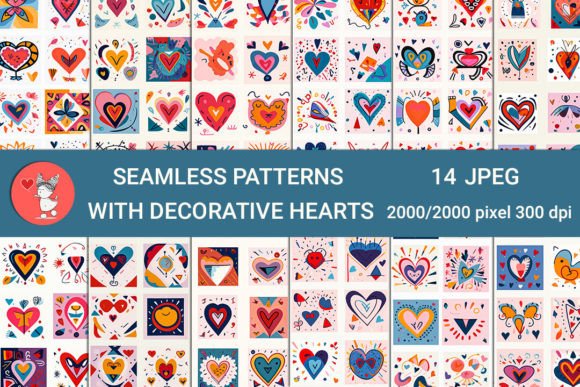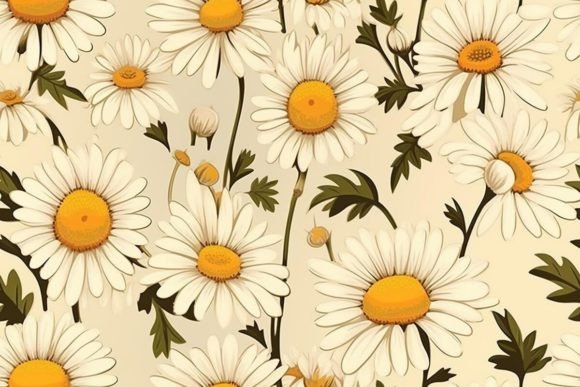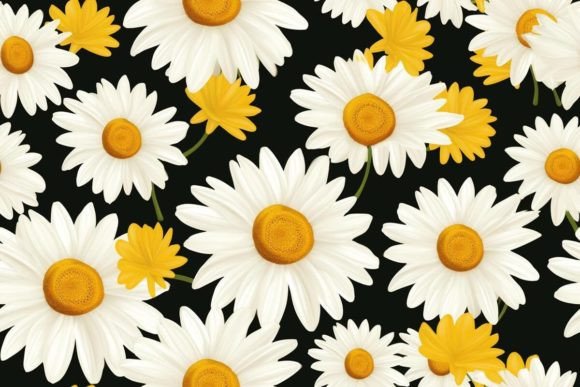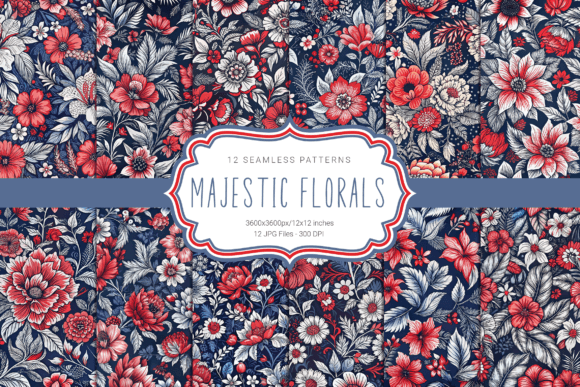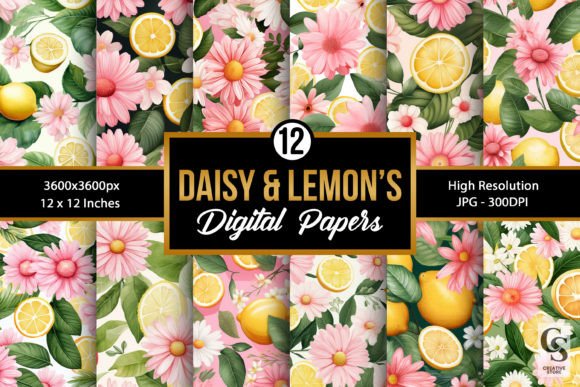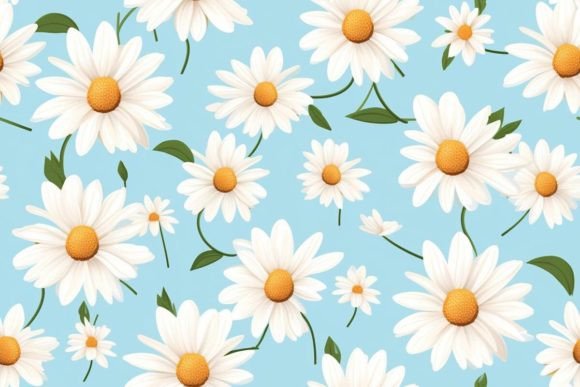
Decorative Art Textile Patterns for Every Creator
The world of Decorative Art Textile Patterns is far more than a collection of pretty images; it is a versatile resource that bridges the gap between digital design and tangible reality. When you access a library containing high-resolution JPG files, you are unlocking a toolkit that serves distinct purposes depending on who holds it. Whether you are a hobbyist looking to spruce up a home project or a professional entrepreneur launching a new product line, these patterns offer a foundation for creativity that is both immediate and scalable.
It is important to understand the nature of what you are acquiring. The files often come with titles that are randomly generated, which can sometimes be misleading if you rely solely on the filename. Instead of focusing on text descriptions, the true value lies in the visual content itself. A single JPG file can represent an intricate weave, a bold geometric print, or a subtle floral motif, waiting to be adapted to your specific vision. This flexibility is why these assets remain relevant across such a wide spectrum of users, from educators teaching design principles to marketers needing fresh visuals for campaigns.
Why Different Audiences Care About Textile Design
The relevance of Decorative Art Textile Patterns shifts dramatically based on the user's goals. For one person, these images might represent a quick solution to a design block; for another, they could be the core intellectual property of a business. Understanding this spectrum helps clarify how to approach these assets effectively.
- For Beginners and Hobbyists: The primary concern is usually ease of use and inspiration. A beginner might not need complex vector files but rather a clear, high-quality image to practice with. They might use a pattern to create a simple pillowcase, decorate a scrapbook page, or experiment with color theory without worrying about licensing complexities or technical formatting.
- For Creators and Freelancers: Speed and presentation are paramount. These users often need to deliver results quickly to clients. A well-chosen pattern allows them to mock up a website banner, a social media post, or a packaging design in minutes. The ability to see the texture and detail in a JPG file ensures their presentations look polished and professional.
- For Professionals and Business Owners: Commercial value and reliability take center stage. An entrepreneur selling fabric or home decor needs assets that are consistent, high-resolution, and capable of being scaled without losing quality. They evaluate these patterns based on how well they integrate into a supply chain or a digital storefront.
Evaluating Quality Over Titles
One of the most critical aspects of working with this type of asset library is learning to ignore the noise. As noted in many package descriptions, titles may be random and potentially confusing. If you find yourself stuck trying to match a title to a visual, pause and look at the image instead. This shift in focus empowers you to make decisions based on actual aesthetic merit rather than arbitrary labels.
When evaluating a pattern, consider the following practical criteria:
- Resolution and Clarity: Does the image hold up when zoomed in? High-quality textures should show depth and detail, even in a static JPG format.
- Versatility: Can this pattern work in black and white? Does it translate well to different backgrounds? A good decorative pattern is adaptable to various mediums, from screen printing to web graphics.
- Originality: While many patterns follow traditional styles, look for unique combinations of shape and color that set your project apart from generic stock imagery.
Practical Applications Across Industries
The utility of Decorative Art Textile Patterns extends well beyond the realm of fashion. In fact, the way these patterns are utilized often defines their success. Let's explore how different groups apply these resources in real-world scenarios.
Education and Learning
Educators and students benefit immensely from having a diverse library of patterns. In a classroom setting, these images serve as excellent case studies for discussing historical textile techniques, cultural motifs, and modern design trends. A student analyzing a pattern can deconstruct its symmetry, repetition, and color palette, gaining valuable insights into the mechanics of design. The tactile feel of a textile pattern, even when viewed digitally, sparks curiosity and encourages experimentation.
Small Business and Entrepreneurship
For small business owners, particularly those in the e-commerce space, these patterns are a cost-effective way to differentiate products. Imagine a shop owner who wants to launch a line of tote bags. Instead of hiring a designer to create a custom pattern from scratch, they can utilize a high-quality JPG from a library to create a unique print. This approach reduces initial costs and allows for rapid prototyping. If a pattern doesn't resonate with customers, it can be swapped out easily, offering a level of flexibility that is crucial for agile businesses.
Marketing and Branding
Marketers and bloggers often struggle to find visuals that align with their brand identity while remaining engaging. Decorative Art Textile Patterns provide a rich texture that can elevate a flat design. A blogger writing about interior design might use a pattern as a background for a blog post header, adding depth and interest to the reading experience. Similarly, a marketer creating an ad campaign might overlay a pattern on a product shot to suggest luxury or craftsmanship.
Matching Patterns to Your Project Needs
Not every pattern will fit every project, and recognizing this distinction is key to making the right choice. When selecting an asset, ask yourself what the end goal is. Are you looking for something that conveys stability and tradition, or do you need a dynamic, modern look? The answer will guide your selection process.
If your priority is long-term usefulness, choose patterns that are timeless rather than overly trendy. A classic geometric or organic motif will likely remain relevant for years, whereas a hyper-specific trend might date your project quickly. Conversely, if you need speed for a short-term campaign, you might prioritize patterns that are visually striking and immediately recognizable, even if they lack deep complexity.
Creativity should always be the driving force. Even if you are using a pre-made asset, the way you manipulate it determines its impact. Try layering patterns, adjusting opacity, or combining multiple images to create something entirely new. The freedom to experiment is one of the greatest benefits of having access to a broad collection of designs.
Moving Forward with Confidence
Ultimately, the value of Decorative Art Textile Patterns lies in their ability to adapt to the needs of the user. Whether you are a novice exploring your first design software or a seasoned pro managing a global brand, these assets offer a starting point for innovation. By focusing on the visual quality and ignoring misleading titles, you can unlock a wealth of possibilities.
As you explore these collections, remember that the best results come from thoughtful application. Take the time to understand the texture, the rhythm, and the story behind each pattern. This mindful approach ensures that your final output is not just a collection of images, but a cohesive and compelling piece of work. With the right mindset and a bit of creativity, these patterns can transform ordinary projects into extraordinary experiences.