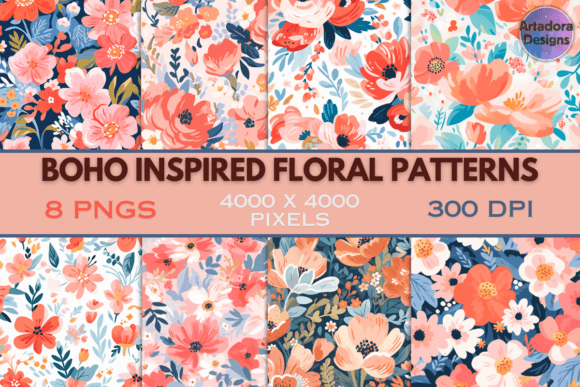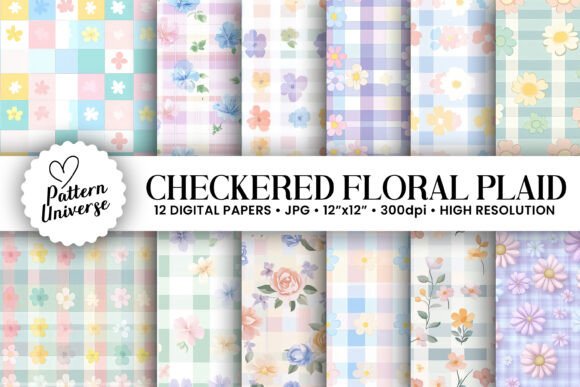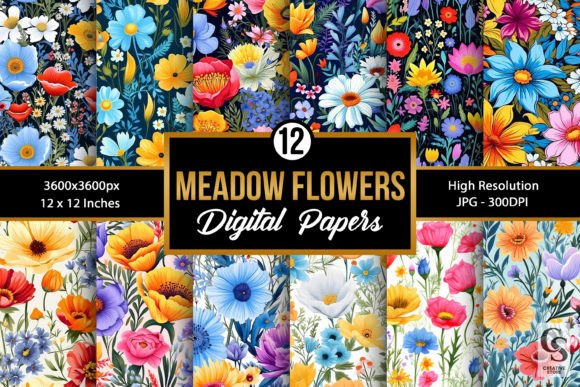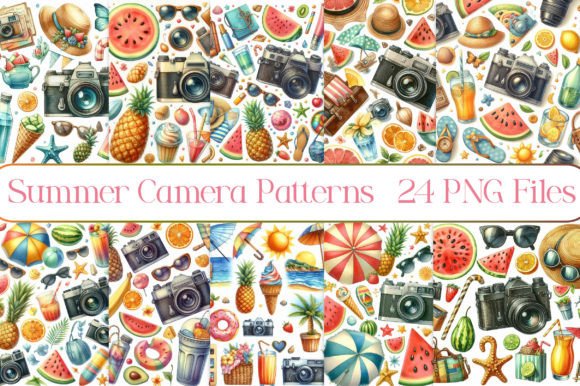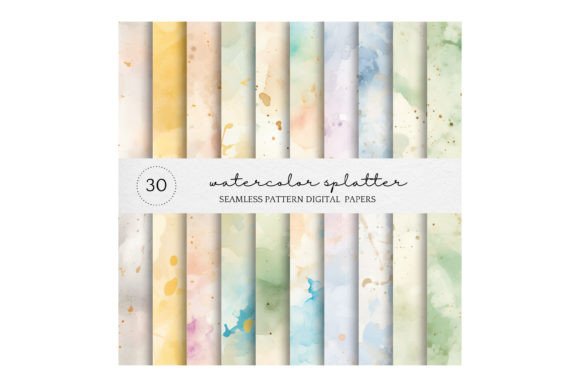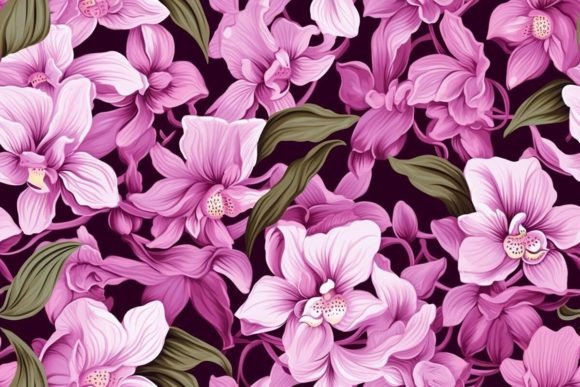
Floral Decor Plant Patterns: Transforming Spaces with Nature-Inspired Design
If you have ever walked into a room that felt instantly calming or seen a social media post where the background perfectly matched the mood of the photo, you likely encountered Floral Decor Plant Patterns. These are not just random images of leaves and flowers; they are curated visual assets designed to bring organic warmth into digital and physical environments. Whether you are a graphic designer looking for texture, a small business owner wanting to refresh your branding, or a homeowner trying to spruce up a rental without painting walls, these patterns offer a versatile solution.
The core value of this resource lies in its ability to mimic the complexity of nature while remaining simple enough to integrate seamlessly. When we talk about Floral Decor Plant Patterns, we aren't just discussing a single image file. We are referring to a collection of high-quality textures and motifs that can be layered over websites, printed on packaging, used as digital backgrounds for presentations, or even projected onto walls for events. The goal is to bridge the gap between sterile modern design and the inviting feel of a garden.
Why This Resource Matters for Creators and Entrepreneurs
In today's visual-first economy, first impressions happen in milliseconds. A generic white background or a standard corporate blue often fails to capture attention. This is where Floral Decor Plant Patterns become a strategic tool. For bloggers and content creators, these patterns provide an immediate way to elevate the aesthetic of their posts without needing advanced Photoshop skills. Imagine writing an article about sustainable living or mental health; wrapping that text in a subtle leafy pattern creates an emotional connection before the reader even finishes the headline.
For entrepreneurs and small business owners, consistency is key. If you sell handmade soaps, organic skincare, or artisanal candles, your packaging needs to reflect those values. Using a specific Floral Decor Plant Pattern on your labels, stickers, or shopping bags reinforces your brand identity. It signals to the customer that your product is natural, fresh, and carefully crafted. Instead of hiring an expensive illustrator for every new product launch, having a library of these patterns allows you to maintain a cohesive look across different items.
Even educators and freelancers find utility here. Teachers creating worksheets or presentation slides for younger students often struggle to make educational material engaging. A gentle floral border or a background pattern featuring plants can make a lesson plan feel less like homework and more like a discovery. Similarly, freelancers pitching to clients can use these patterns to create mockups that show how a client's product might look in a real-world setting, adding a layer of professionalism to their proposals.
Real-World Applications Across Different Settings
The versatility of Floral Decor Plant Patterns extends far beyond simple decoration. Let's look at how different users apply these assets in practical scenarios.
- Digital Marketing and Social Media: Marketers often need to create a series of stories or Instagram posts quickly. By using a consistent Floral Decor Plant Pattern as a base, a campaign can feel unified. You can overlay quotes, product photos, or promotional codes on top of the pattern. The organic shapes draw the eye naturally, guiding the viewer through the message without feeling cluttered.
- Event Planning and Weddings: Weddings and corporate events rely heavily on atmosphere. Planners use these patterns for digital invitations, table numbers, and even projection mapping on stage backdrops. A high-resolution JPG file allows for printing large banners that look crisp and professional, ensuring the event theme remains consistent from the save-the-date card to the final farewell.
- Home Staging and Interior Design: For homeowners or landlords looking to stage a property, heavy renovations are often out of budget. Digital wall art featuring Floral Decor Plant Patterns offers a cost-effective alternative. Renters who cannot paint can use removable wallpaper or decals based on these designs to add character to a space. The patterns soften harsh corners and make rooms feel larger and more inviting.
- E-commerce and Product Photography: Online shoppers cannot touch or smell products, so the visual representation is everything. Photographers use these patterns as props or backdrops to shoot items. Placing a jar of honey against a backdrop of soft floral leaves suggests sweetness and purity. This context helps customers visualize the product in their own homes, increasing the likelihood of a purchase.
Navigating the Files: What to Expect and How to Use Them
When you access a package containing Floral Decor Plant Patterns, it is important to understand what you are getting to maximize its utility. Typically, these collections come in standard formats like JPG files, which are universally compatible with almost all software, from Microsoft PowerPoint to Adobe Illustrator. However, the organization within the folder can sometimes be confusing.
You may notice that titles in the file directory are randomly generated or appear misleading. For instance, a file named "Pattern_04.jpg" might actually contain a dense fern design, while another titled "Bloom" could be a minimalist line drawing. Do not let the filenames dictate your workflow. Instead, open each image individually to assess the composition, color palette, and resolution. Focus strictly on the visual content. This approach saves time and prevents frustration when searching for the right asset for a specific project.
If you have a specific vision—perhaps you need a pattern that features only succulents or one that has a dark, moody aesthetic—it is worth reaching out to the provider or community. Many creators are happy to upload specific types of images if there is demand. Engaging with the source ensures you get exactly what you need for your unique requirements.
Considerations Before Applying the Patterns
While these patterns are powerful tools, they require thoughtful application to avoid overwhelming your audience. The most common mistake is using a pattern with too much contrast or detail as a background for text. If the floral elements are too busy, they compete with your words, making them difficult to read. Always test your design by placing your text over the Floral Decor Plant Patterns and stepping back. If the text becomes hard to decipher, consider reducing the opacity of the image or choosing a simpler variation from the set.
Color psychology also plays a significant role. Green tones generally evoke growth, freshness, and stability, making them ideal for health, finance, or environmental topics. However, if you are designing for a luxury brand, ensure the floral motif is elegant and understated rather than cartoonish. The scale of the pattern matters too; a tiny repeat works well for fabric or web backgrounds, while a large-scale print is better suited for posters or murals.
Finally, remember the importance of supporting the creator. If you find that these resources have saved you hours of work or helped you land a new client, leaving a review is a simple yet impactful way to contribute to the ecosystem. Reviews help other users discover high-quality assets and encourage creators to produce more diverse and useful content. Following the channel or page for updates ensures you stay informed about new additions, such as seasonal variations or specialized themes.
In conclusion, Floral Decor Plant Patterns are more than just decorative elements; they are functional assets that enhance communication, branding, and aesthetics. By understanding how to select, adapt, and apply these images, you can transform ordinary projects into experiences that resonate with people on a deeper level. Whether you are building a website, printing a menu, or simply decorating your home, these patterns offer a timeless connection to nature that never goes out of style.