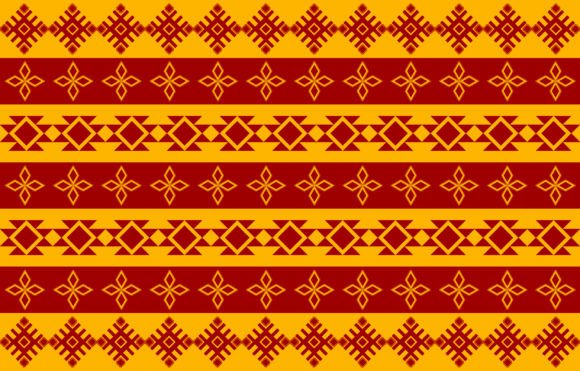
Navajo Patterns Reflect Rich Cultural Heritage and Modern Style
When you first encounter Navajo Patterns Reflect Rich Cultural heritage, it is easy to be swept away by the visual appeal. The intricate geometry and bold color palettes create an immediate sense of style that feels both timeless and contemporary. However, treating this design merely as a decorative element without understanding its context can lead to choices that feel hollow or even disrespectful. Many creators rush to download files labeled with similar terms, only to find that the final product lacks the depth required for professional use. This article serves as a guide to help you navigate the nuances of using these designs effectively, ensuring that your projects honor the source while achieving the modern twist you seek.
The specific asset described here offers a practical solution for those looking to integrate authentic aesthetics into their work. It includes a vector EPS file, which is crucial for scalability, alongside a high-quality JPG at 5208x3333 pixels. This combination allows for flexibility across different mediums, from large-scale banners to detailed digital prints. Yet, simply having the file is not enough; the real value lies in how you apply it. A common pitfall involves selecting patterns based solely on color matching without considering the structural integrity of the vector data. If the paths are not properly closed or the layers are messy, your print quality will suffer regardless of the resolution of the accompanying JPG.
Understanding the Source and Its Significance
Navajo Patterns Reflect Rich Cultural narratives are often misunderstood as generic tribal motifs. In reality, these designs carry specific meanings related to the history, environment, and spirituality of the Navajo people. When you choose to use this design in fashion, home decor, or digital marketing, you are engaging with a legacy of artistry that demands respect. Beginners often make the mistake of assuming all geometric patterns are interchangeable. They might swap a Navajo-inspired rug pattern with a generic Southwestern motif without realizing the distinct differences in symbolism and origin.
This lack of distinction can affect your brand's credibility. Consumers today are increasingly aware of cultural appropriation versus appreciation. By explicitly acknowledging that the design comes from a rich cultural background, you position yourself as a thoughtful creator. The "modern twist" mentioned in the description is not just about updating colors; it is about adapting traditional forms for contemporary contexts without losing their soul. For instance, applying this pattern to a tech gadget case requires a different approach than using it on a textile throw pillow. The former needs clean lines that do not get lost in small details, while the latter benefits from the texture and flow of the original design.
Pitfalls in File Selection and Technical Preparation
One of the most frequent errors occurs during the download and preparation phase. Users often overlook the importance of the file format provided. While the ZIP archive contains a high-resolution JPG, relying on that image alone for vector-based applications like screen printing or large-format signage is a recipe for disaster. Raster images pixelate when scaled up, whereas the included vector EPS file ensures crisp edges at any size. If you ignore the vector component, you may end up with blurry logos or jagged text overlays that undermine the professional look you are trying to achieve.
Another technical oversight involves color management. The vibrant hues typical of Navajo artistry can shift dramatically depending on whether you are working in RGB for screens or CMYK for print. Designers sometimes assume that the colors seen on their monitor will match the physical output. To avoid this, always check the color profile before finalizing your project. If you are creating a website banner, ensure the JPG converts correctly to sRGB. If you are producing merchandise, verify that the vector file translates accurately to your printer's ink set. Failing to adjust for these differences can result in dull, muddy colors that fail to capture the energy of the original artwork.
Application Strategies for Diverse Industries
The versatility of this design makes it suitable for a wide range of industries, but each sector has unique requirements. Fashion designers might be tempted to stretch the pattern across fabric without considering the repeat alignment. A poorly aligned repeat can ruin the drape and visual flow of a garment. Instead, test the pattern on a digital mockup before committing to production. Look for natural breaks in the geometry where the eye rests, and ensure the seam lines do not cut through critical elements of the design.
For home decor enthusiasts, the challenge often lies in balancing the pattern with existing furniture. A room filled with too many competing textures can feel chaotic. Use the Navajo design as a focal point, perhaps on a single accent wall or a statement piece of upholstery, rather than covering every surface. This approach allows the Navajo Patterns Reflect Rich Cultural aesthetic to shine without overwhelming the space. Similarly, marketers should avoid using the pattern as a background that obscures essential information. Text placed over complex geometries must have sufficient contrast to remain readable. Consider adding a semi-transparent overlay if the text needs to sit directly on the design.
Evaluating Quality Before You Commit
Before integrating this asset into your workflow, take time to evaluate the quality of the files within the ZIP package. Open the EPS file in your preferred software and inspect the layers. Are the shapes grouped logically? Are there unnecessary anchor points that could slow down rendering? These technical details often go unnoticed until it is too late, leading to frustrating delays during the production phase. Additionally, examine the JPG at full resolution. Does the detail hold up when zoomed in? High-quality assets should reveal fine details without noise or compression artifacts.
It is also wise to consider the licensing terms associated with the file. Some designs intended for personal use cannot be used commercially without additional permissions. Assuming that a downloadable file is free for all purposes can lead to legal complications. Always read the license agreement carefully to understand what you are allowed to do with the Navajo Patterns Reflect Rich Cultural design. Whether you are a freelancer building a portfolio or a business owner launching a product line, clarity on usage rights protects your reputation and your bottom line.
Moving Forward with Intention
The journey of incorporating Navajo Patterns Reflect Rich Cultural elements into your work is about more than just aesthetics; it is about intentionality. By avoiding common technical mistakes and respecting the cultural origins of the design, you create work that stands out for its quality and authenticity. Take the time to understand the tools you are using, from vector editing to color profiling. Embrace the modern twist that this design offers, but do so with a clear mind and a respectful heart. When you approach these patterns with care, the results speak for themselves, bridging the gap between tradition and innovation in a way that resonates with audiences everywhere.