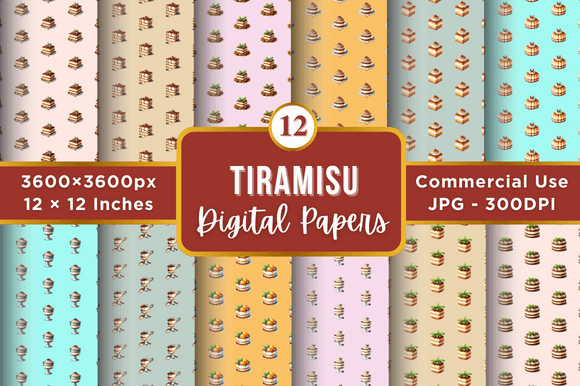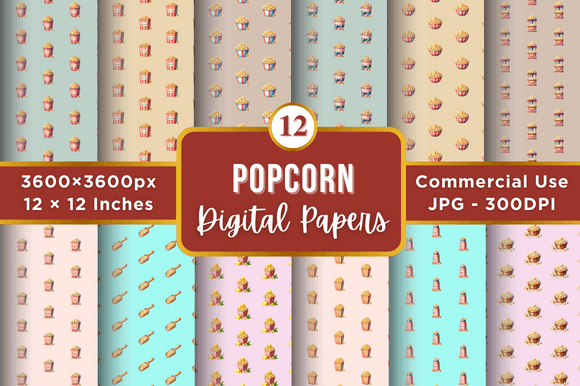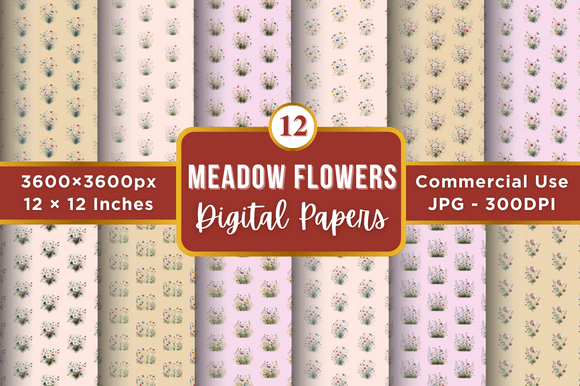
Unlocking Creative Potential with Graphic Patterns Digital Art
In the rapidly evolving landscape of visual communication, Graphic Patterns Digital Art has emerged as a cornerstone for designers, marketers, and creative professionals. Unlike static imagery that captures a single moment, patterns offer rhythm, repetition, and texture that can transform a flat surface into an engaging experience. This medium is not merely about decoration; it is a fundamental tool for establishing brand identity, guiding user attention, and adding depth to digital interfaces.
The versatility of this art form allows it to bridge the gap between traditional craftsmanship and modern technology. Whether you are a hobbyist looking to enhance a personal blog or a business owner seeking to revitalize your product packaging, understanding the nuances of digital patterns is essential. The following sections explore the characteristics, applications, and strategic advantages of utilizing these dynamic visual elements in various contexts.
The Anatomy of Digital Pattern Design
At its core, a pattern is defined by the repetition of a motif or element across a two-dimensional plane. In the realm of Graphic Patterns Digital Art, this repetition is achieved through software algorithms and vector tools that ensure precision and scalability. A well-crafted pattern possesses several key characteristics that distinguish it from random noise or simple tiling.
- Seamlessness: The most critical feature of any functional pattern is the ability to tile infinitely without visible breaks or awkward edges. Professional designs utilize advanced masking and blending techniques to ensure the transition between tiles is imperceptible.
- Rhythm and Flow: Good patterns create a visual cadence. They guide the eye across the screen or page, creating a sense of movement even when the image is static. This rhythm can be established through spacing, color variation, or the orientation of the repeating element.
- Scalability: One of the primary advantages of digital formats over physical prints is resolution independence. Vector-based graphic patterns can be scaled from a tiny favicon on a browser tab to a massive billboard without losing clarity or introducing pixelation.
While the technical execution is vital, the artistic intent behind the pattern determines its success. The choice of geometry, color palette, and complexity must align with the intended message. For instance, a chaotic, high-contrast pattern might convey energy and rebellion, while a subtle, low-saturation geometric weave suggests stability and professionalism.
Diverse Applications Across Industries
The utility of Graphic Patterns Digital Art extends far beyond simple aesthetics. Different sectors leverage these assets to solve specific problems and achieve distinct goals. Understanding where these patterns fit best is crucial for maximizing their impact.
Web Design and User Interface (UI)
In the digital space, patterns serve a functional role in addition to the decorative. They are frequently used as background textures to add depth to flat design interfaces. By placing a subtle pattern behind content areas, designers can separate information hierarchies without relying heavily on solid borders or shadows. This technique, often called "texturing," helps prevent screens from feeling sterile or overly clinical.
Furthermore, patterns can act as visual cues. A dotted line pattern might indicate a selectable area, while a grid pattern could suggest a structured data table. When implemented correctly, these visual guides improve usability by making complex layouts easier to navigate.
Branding and Identity Systems
For businesses, consistency is paramount. Graphic Patterns Digital Art provides a unique way to extend a logo's visual language across all touchpoints. A brand might incorporate a custom pattern derived from its primary iconography onto social media story backgrounds, email signatures, or website headers. This creates a cohesive ecosystem where the brand is instantly recognizable even without the explicit presence of a logo.
Consider a luxury fashion brand that uses a monogram pattern on its packaging and website footer. This repetition reinforces the brand's prestige and creates a tactile feel in the digital realm, mimicking the texture of fabric or paper.
Educational Materials and Presentations
Educators and researchers often struggle with dry, text-heavy slides. Integrating abstract patterns into presentation decks can break up monotony and maintain audience engagement. However, caution is required; the pattern must not compete with the text. Using low-opacity patterns as backdrops ensures that the educational content remains the focal point while the design adds a layer of polish and professionalism.
Strategic Advantages for Creators and Businesses
Why should professionals invest time in sourcing or creating Graphic Patterns Digital Art? The benefits go beyond immediate visual appeal and touch upon efficiency, cost-effectiveness, and adaptability.
Cost-Efficiency and Versatility: Creating a single high-quality digital pattern asset allows for infinite reuse. Once a seamless pattern is designed, it can be applied to websites, mobile apps, print materials, merchandise, and advertising campaigns. This eliminates the need to commission multiple unique illustrations for different projects, significantly reducing production costs and turnaround times.
Brand Differentiation: In a saturated market, standing out is challenging. While stock photography is ubiquitous, custom digital patterns offer a level of uniqueness that is harder to replicate. A proprietary pattern becomes a signature element of a brand, distinguishing it from competitors who may rely on generic templates.
Adaptability to Trends: Digital art is inherently flexible. If a design trend shifts from minimalism to maximalism, or if a brand decides to update its color scheme, a digital pattern can be easily edited to reflect these changes. Unlike physical textures or printed materials, digital files can be updated instantly across all platforms without re-printing inventory.
Technical Considerations and Best Practices
To fully leverage the potential of digital patterns, creators must adhere to certain technical standards. The quality of the output depends heavily on how the file is prepared and delivered.
Resolution and Format: While vector formats like SVG are ideal for scalability, raster formats like JPG and PNG are also widely used for complex, photorealistic patterns. It is important to ensure that the resolution is sufficient for the intended use case. For web display, optimizing file size is crucial to maintain fast load times without sacrificing visual fidelity. A common pitfall is using a pattern that is too large, which can slow down a website, or too small, resulting in a blurry appearance on high-resolution displays.
Color Management: Color accuracy is another vital consideration. Patterns designed for screen display (RGB) will look different when printed (CMYK). Professionals must test patterns in both color spaces to ensure consistency. Additionally, considering accessibility is key; patterns should provide sufficient contrast against the background they sit on to ensure readability for users with visual impairments.
File Organization: As noted in many asset collections, proper organization is essential. A well-structured ZIP file containing clear documentation, such as included JPG files with descriptive names, saves significant time during the implementation phase. While titles in some collections may be randomly generated, focusing on the actual visual content ensures that the right asset is selected for the job. If a specific style is needed, clear communication regarding image preferences can streamline the selection process.
The Future of Pattern-Based Design
As technology advances, the possibilities for Graphic Patterns Digital Art continue to expand. The integration of artificial intelligence into design tools is beginning to allow for the generation of complex, unique patterns based on natural language prompts. This democratizes access to high-quality design assets, allowing non-designers to create professional-grade textures and backgrounds.
Furthermore, the rise of 3D web technologies and augmented reality (AR) is pushing patterns into new dimensions. We are moving towards interactive patterns that respond to user movement or device orientation. These dynamic experiences create a deeper level of engagement, turning passive viewers into active participants.
For educators and researchers, this evolution offers new avenues for data visualization. Complex datasets can be represented through evolving patterns, making abstract information more tangible and easier to understand. The intersection of art and data science promises to make information consumption more intuitive and visually stimulating.
Conclusion: Embracing the Power of Repetition
The journey of understanding Graphic Patterns Digital Art reveals that it is much more than a decorative afterthought. It is a powerful communicative tool that shapes perception, enhances usability, and strengthens brand identity. From the seamless tiling of a website background to the intricate motifs on a product package, patterns play a silent but influential role in our daily visual interactions.
Whether you are a professional designer seeking to elevate your portfolio, a business owner looking to refine your brand presence, or a creator exploring new digital mediums, mastering the art of the pattern is invaluable. By focusing on the practical application, technical quality, and strategic relevance of these assets, you can unlock a new level of creativity and effectiveness in your work. As we move forward, the demand for thoughtful, well-executed digital patterns will only grow, cementing their place as an essential component of modern visual culture.