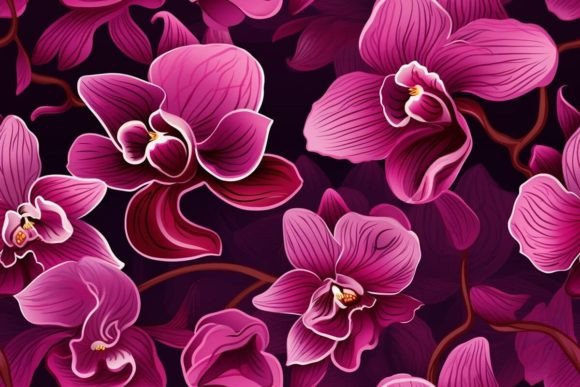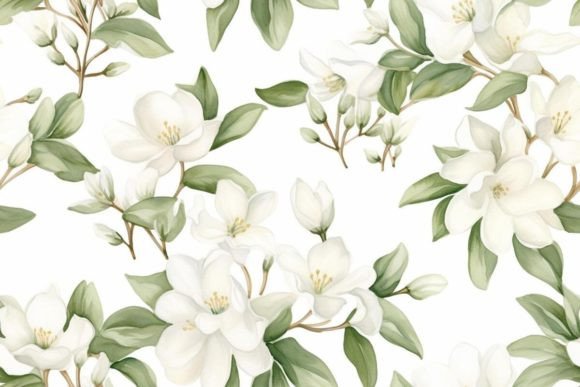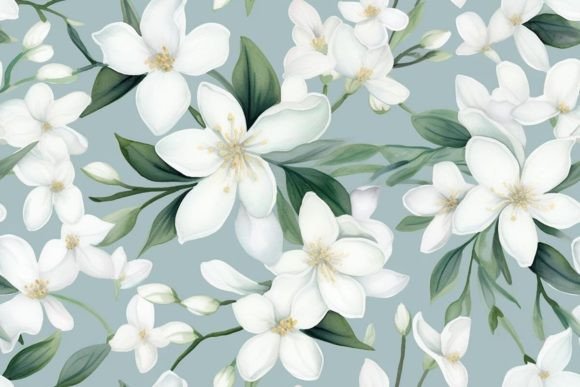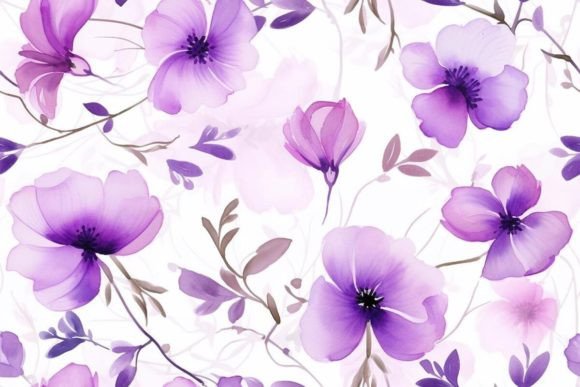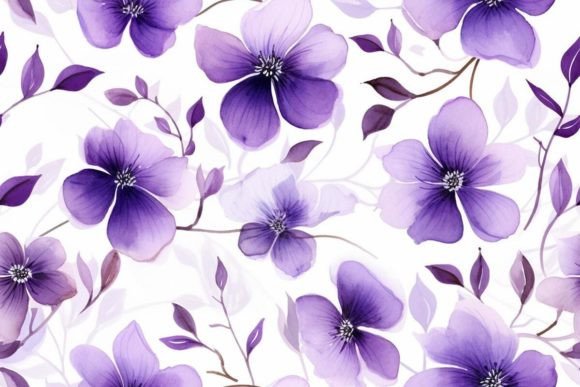
Unlocking the Beauty of Nature: A Comprehensive Guide to Plant Patterns in Surface Design
In an era where digital aesthetics and physical textures are constantly evolving, plant patterns surface pattern design stands out as a timeless yet ever-relevant discipline. From the wallpapers that adorn our homes to the textiles that dress our bodies, the organic forms of flora have long served as a primary source of inspiration for creatives worldwide. Whether you are a seasoned designer looking to refine your portfolio or a beginner eager to understand the fundamentals of botanical artistry, this guide explores the intricate world of plant-based motifs and their profound impact on modern design.
The Essence of Botanical Inspiration
At its core, surface pattern design is the art of creating repetitive visual elements intended to cover a two-dimensional surface. When we introduce plant patterns into this equation, we tap into a universal language that speaks to our connection with nature. Unlike geometric shapes that rely on mathematical precision, plant patterns embrace the irregularity, fluidity, and chaos of the natural world. They mimic the way leaves curl, vines twist, and flowers bloom, bringing a sense of life and movement to static surfaces.
The significance of these designs extends far beyond mere decoration. Historically, humans have used botanical imagery to symbolize growth, renewal, and resilience. In contemporary contexts, incorporating plant patterns surface pattern design into products allows brands to convey eco-conscious values, tranquility, and organic authenticity. This is why you see lush ferns on sustainable packaging, delicate floral prints on summer dresses, and bold tropical leaves in modern office decor.
Why Plant Patterns Matter in Modern Life
As society becomes increasingly urbanized and screen-dominated, there is a growing psychological desire to reconnect with the natural world. Biophilic design—the concept of connecting building occupants more closely to nature—has become a major trend in architecture and interior design. Plant patterns play a crucial role in this movement by introducing organic elements into man-made environments without the maintenance required for live plants.
For businesses, utilizing high-quality plant patterns can significantly enhance product appeal. Imagine a coffee brand using a subtle leaf texture on its cup sleeves; it immediately suggests freshness and natural ingredients. Similarly, fashion designers use floral repeats to create seasonal collections that resonate with the changing moods of nature. The versatility of these patterns makes them applicable across industries, including:
- Home Textiles: Curtains, rugs, and bedding that bring the outdoors inside.
- Packaging: Eco-friendly wrapping that highlights the natural origin of goods.
- Digital Interfaces: Backgrounds and icons that soften the harshness of technology.
- Fashion: Apparel that reflects seasonal trends and personal expression.
Understanding the Technical Aspects of Pattern Creation
Creating effective plant patterns requires a blend of artistic intuition and technical skill. It is not merely about drawing a single flower and repeating it. True mastery involves understanding how different elements interact within a grid system. Designers must consider scale, density, color harmony, and the "seamlessness" of the repeat.
One common misconception among beginners is that complex details always make for better patterns. However, often the most striking designs utilize negative space effectively. By allowing the background to breathe between the plant elements, the design gains elegance and readability. Furthermore, the choice of vector graphics versus raster images plays a pivotal role. Vector-based plant patterns offer infinite scalability, ensuring that a design looks crisp whether printed on a business card or a billboard.
The Role of Technology in Botanical Design
While traditional watercolor and ink remain popular mediums, modern software has revolutionized how plant patterns are created and distributed. Tools like Adobe Illustrator and Procreate allow designers to manipulate digital brushes to simulate the texture of real leaves and petals. Moreover, the rise of AI-assisted design tools is helping creators generate unique variations of plant motifs, though human oversight remains essential to ensure the result feels authentic and not generic.
When purchasing or downloading resources, such as ZIP files containing plant patterns surface pattern design, it is vital to understand what you are getting. These archives often include multiple file formats optimized for different uses. For instance, a typical package might contain:
- JPG Files: High-resolution raster images perfect for web display and quick previews. Note that titles in these files may be randomly generated or misleading, so focus on the visual content rather than the filename.
- Vector Files (EPS/AI): Essential for professional printing, allowing designers to resize without losing quality.
- Pattern Swatches: Pre-configured settings for design software that enable instant application of the pattern.
Navigating Common Misunderstandings
Despite their popularity, plant patterns are often misunderstood. One prevalent assumption is that they are exclusively "feminine" or suitable only for specific genres like shabby chic or cottagecore. This is far from the truth. Bold, oversized tropical leaves can create a dramatic, masculine aesthetic suitable for men's fashion or industrial interiors. Conversely, delicate moss textures can add a sophisticated, minimalist touch to luxury branding.
Another misunderstanding relates to the originality of the work. Because plants are everywhere, many believe that creating a plant pattern is easy or that all such designs look similar. However, the magic lies in the interpretation. Two designers looking at the same oak tree will produce vastly different patterns based on their style, color palette, and composition choices. The key is to find a unique voice within the genre.
Practical Tips for Aspiring Designers
If you are ready to dive into plant patterns surface pattern design, start by observing nature closely. Go for a walk and notice the veins in a leaf, the spirals in a pinecone, or the way sunlight filters through branches. Sketching these observations by hand can provide a foundation for digital refinement.
When working with digital assets, pay attention to the metadata and file organization. As noted in many resource descriptions, filenames can be random. Always preview the actual image before committing to a project. If you are a creator sharing your work, clear communication is key. If you need specific types of images uploaded or customized, engaging with your audience through comments ensures you meet their exact needs.
The Importance of Community and Feedback
In the world of digital design, community support drives innovation. Platforms where creators share plant patterns surface pattern design collections thrive on interaction. Leaving reviews, following creators for updates, and providing constructive feedback help maintain a high standard of quality. When a creator receives positive engagement, such as a five-star rating, it encourages them to produce more diverse and high-quality content.
Furthermore, supporting creators directly helps sustain the ecosystem of independent design. Instead of relying solely on mass-produced stock imagery, buyers can access unique, hand-crafted patterns that give their projects a distinct identity. This cycle of creation and appreciation fosters a richer creative environment for everyone involved.
Conclusion: Embracing the Organic Future
Plant patterns surface pattern design is more than just a trend; it is a fundamental aspect of how we visually communicate with the world around us. By blending the beauty of nature with modern design principles, we create products and spaces that are not only aesthetically pleasing but also emotionally resonant. Whether you are designing a new collection, renovating a home, or simply appreciating the artistry behind the scenes, understanding the nuances of botanical motifs enhances your ability to connect with the world.
As we move forward, the demand for sustainable, nature-inspired design will only grow. By embracing these patterns and supporting the artists who create them, we contribute to a culture that values the natural world. So, the next time you encounter a beautiful floral print or a lush leafy texture, take a moment to appreciate the thought, skill, and passion that went into transforming a simple plant into a work of art.
Remember, if you enjoy these resources, please leave a review and follow us for more products. Your support helps us continue to bring you the best in creative design!