Element Leaf Patterns: Elevating Digital Design with Organic Aesthetics
In the rapidly evolving landscape of digital design, where minimalism often dominates the conversation, there is a growing appreciation for textures that mimic the organic complexity of nature. Element Leaf Patterns have emerged as a versatile asset for professionals seeking to bridge the gap between structured layouts and natural fluidity. Whether you are a graphic designer crafting a brand identity, a web developer building an immersive user experience, or a content creator looking to add visual depth to social media posts, these patterns offer a unique solution. They provide the subtle texture needed to break up monotony without overwhelming the core message.
The relevance of incorporating leaf motifs into modern workflows cannot be overstated. As audiences become increasingly fatigued by sterile, purely geometric designs, there is a distinct shift toward aesthetics that feel grounded and authentic. This trend aligns perfectly with the current cultural emphasis on sustainability and biophilic design—the practice of connecting people more closely to nature in built environments. By utilizing Element Leaf Patterns, creators can tap into this psychological preference, making their projects feel more inviting and human-centric.
Understanding the Asset and Its Practical Applications
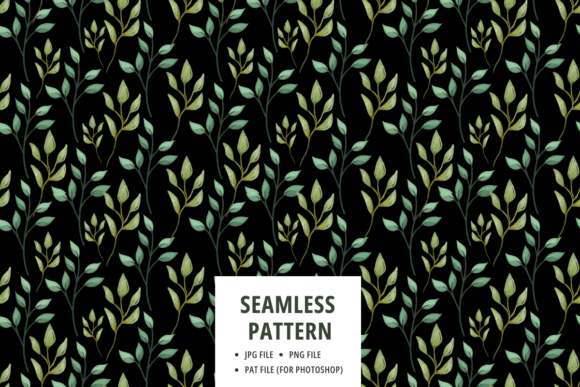
At its core, this collection represents a curated set of high-quality visual assets designed to enhance various creative outputs. The package typically includes specific file formats, such as the single JPG file mentioned in distribution notes, ensuring compatibility across different software platforms. While titles associated with such files might sometimes be randomly generated or misleading, the true value lies in the visual content itself. Focusing on the product images reveals a variety of botanical styles ranging from delicate fern fronds to bold tropical foliage.
For professionals, the utility of these patterns extends far beyond simple decoration. In marketing materials, a subtle leaf overlay can soften the harshness of corporate messaging, making advertisements feel less transactional and more community-focused. For educators and bloggers, these elements serve as excellent headers or background textures for articles discussing environmental topics, wellness, or lifestyle changes. The versatility allows them to function as:
- Background Textures: Adding depth to website hero sections or presentation slides without distracting from text.
- Overlay Elements: Creating a vintage or filtered look when applied with transparency settings in photo editing software.
- Design Accents: Using individual leaf shapes as bullet points, dividers, or corner decorations in reports and newsletters.
The practical implication here is efficiency. Instead of spending hours sourcing individual stock photos or attempting to draw custom botanical illustrations, having a ready-to-use library of Element Leaf Patterns streamlines the production process. This allows designers to focus more on strategy and layout rather than getting bogged down in asset creation.
The Evolution of Botanical Trends in Modern Workflows
Why are we seeing a resurgence of interest in plant-based imagery? The answer lies in the changing habits of consumers and the technological capabilities that make using these assets easier than ever before. Historically, botanical illustrations were reserved for academic texts or high-end packaging. Today, they have permeated everyday digital interactions. This evolution reflects a broader market preference for authenticity. Users expect brands to demonstrate a connection to real-world values, and nature serves as a universal symbol of growth, renewal, and stability.
Modern workflows demand assets that are flexible enough to adapt to various screen sizes and contexts. High-resolution JPG files, like those found in specialized ZIP packages, allow for scalable use. When integrated into responsive web design, these patterns can maintain their integrity whether viewed on a mobile device or a large desktop monitor. Furthermore, the rise of remote work and digital collaboration has increased the need for shared resource libraries. Teams can now access consistent visual languages through shared pattern packs, ensuring that a freelancer's work aligns seamlessly with a business owner's branding guidelines.
This shift also touches on the psychological aspect of user engagement. Studies in environmental psychology suggest that exposure to natural forms, even in digital spaces, can reduce stress and improve cognitive function. By integrating Element Leaf Patterns into dashboards, productivity tools, or educational interfaces, developers are subtly enhancing the user experience. It is a small change that yields significant results in terms of user retention and satisfaction.
Navigating Visual Noise and Maintaining Professional Standards
While the appeal of organic patterns is strong, there is a fine line between aesthetic enhancement and visual clutter. One of the primary challenges for creators is knowing how to apply these elements without compromising readability or professional polish. The key lies in restraint and thoughtful composition. A busy leaf pattern should rarely be used as the primary background for dense blocks of text. Instead, it works best when paired with ample white space or solid color overlays.
Consider the scenario of a marketer designing a landing page. If the goal is to highlight a call-to-action button, a heavy leaf pattern behind it could distract the user. However, using a faded version of the pattern in the header or footer can frame the content beautifully. Similarly, in the realm of freelancing, consistency is king. Using a cohesive set of leaf motifs ensures that a portfolio looks unified, regardless of the diverse projects undertaken.
It is also important to address the quality of the source material. As noted in many distribution descriptions, titles can be random and misleading. Therefore, the evaluation of any asset pack must rely on inspecting the actual image quality. Are the edges clean? Do the colors match standard color profiles? Is the resolution sufficient for print or high-DPI screens? These are the questions that separate professional-grade resources from amateur attempts. By prioritizing the visual fidelity of the product images over the metadata, users can ensure their final output remains crisp and credible.
Future-Proofing Your Creative Toolkit
Looking ahead, the integration of natural elements into digital design is likely to deepen. As technology continues to blur the lines between the physical and digital worlds, the demand for tactile-feeling visuals will grow. Augmented reality (AR) and virtual reality (VR) experiences may soon rely heavily on 3D rendered leaf patterns to create immersive environments. Having a foundational understanding of 2D leaf patterns today prepares creators for these future developments.
Moreover, the sustainability narrative is not a passing fad; it is a fundamental shift in how businesses operate. Consumers are becoming more discerning about the companies they support, often favoring those that demonstrate environmental responsibility. Using nature-inspired design elements can be a non-verbal way of communicating these values. It signals that a brand cares about the world outside the screen. This alignment between visual identity and ethical stance is crucial for long-term brand loyalty.
For hobbyists and enthusiasts, the availability of these patterns democratizes high-level design. You no longer need to be an expert illustrator to create beautiful, nature-infused graphics. With the right tools and resources, anyone can produce content that rivals professional studios. This accessibility fosters a more vibrant creative community where ideas can flourish without technical barriers.
Maximizing Value Through Community and Feedback
The ecosystem surrounding digital assets thrives on interaction and feedback. When acquiring a pack like the one described, which includes specific file types and usage notes, engaging with the creator community adds another layer of value. Platforms often encourage users to leave reviews based on their experience with the files. This feedback loop helps future buyers understand the true quality of the assets, independent of potentially confusing titles.
Furthermore, following creators who specialize in niche areas like botanical design keeps users updated on new releases and techniques. As trends evolve, so do the styles of leaf patterns—from realistic watercolors to stylized vector art. Staying connected ensures that your toolkit remains current and relevant. Whether you are supporting a creator directly or simply staying informed, the act of engagement enriches the entire creative process.
In conclusion, Element Leaf Patterns represent more than just a decorative trend; they are a functional tool for modern communication. They help designers navigate the balance between structure and nature, providing a visual language that resonates with contemporary audiences. By understanding their applications, respecting the principles of good design, and staying engaged with the community, professionals and hobbyists alike can leverage these assets to create work that is both aesthetically pleasing and strategically effective. As we move forward, the fusion of organic beauty and digital precision will continue to define the next generation of creative excellence.