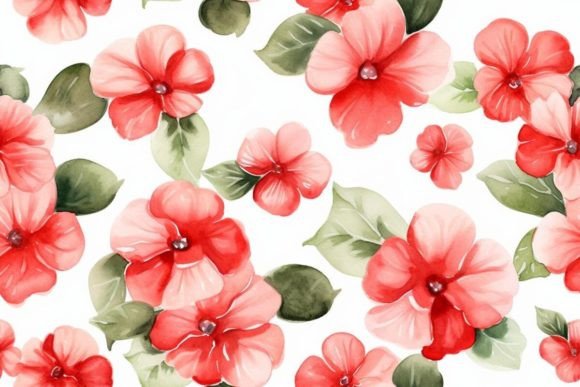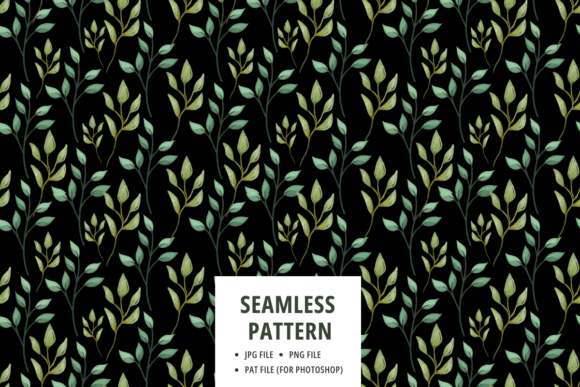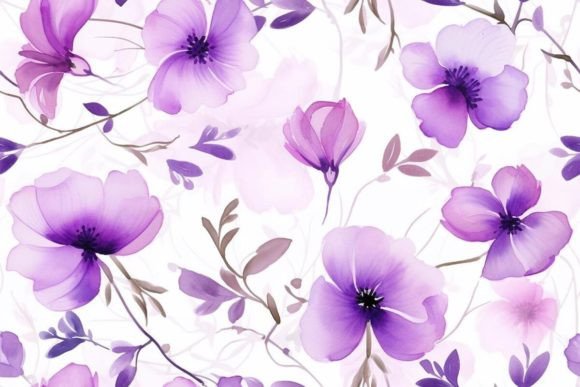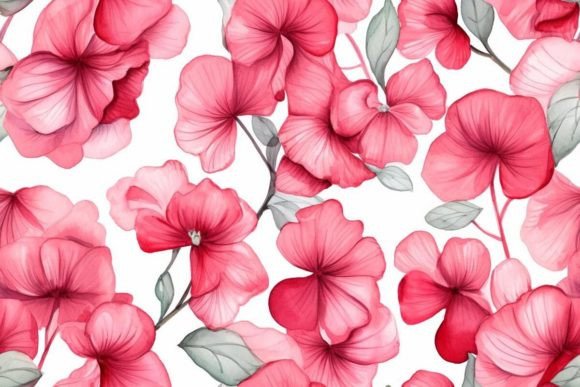
Repeating Patterns Botanical Art: Elevating Design with Nature's Rhythm
In a digital landscape often dominated by stark minimalism and chaotic data, there is a distinct shift toward organic warmth. Repeating patterns botanical art has emerged not merely as a decorative choice but as a fundamental element in modern visual storytelling. This aesthetic combines the mathematical precision of seamless tiling with the intricate, unpredictable beauty of flora, creating a bridge between nature and structure. For professionals, creators, and entrepreneurs alike, understanding this fusion offers a unique opportunity to engage audiences on a subconscious level that pure geometry or raw photography cannot achieve alone.
The core appeal lies in its duality. On one hand, the "repeating" aspect satisfies the human brain's craving for order and predictability. On the other, the "botanical" element introduces vitality, texture, and a sense of growth. When these two forces converge, they create designs that feel both calming and dynamic. Whether applied to a website background, a textile print, or a brand identity package, these patterns provide a sophisticated layer of depth that elevates the overall user experience.
The Evolution from Static Imagery to Dynamic Textures
Gone are the days when botanical illustrations were confined to dusty encyclopedias or vintage wallpaper. The evolution of Repeating patterns botanical art reflects a broader cultural movement toward biophilic design—the practice of connecting people more closely to nature within built environments. In the digital realm, this translates to interfaces that feel less like cold screens and more like living spaces.
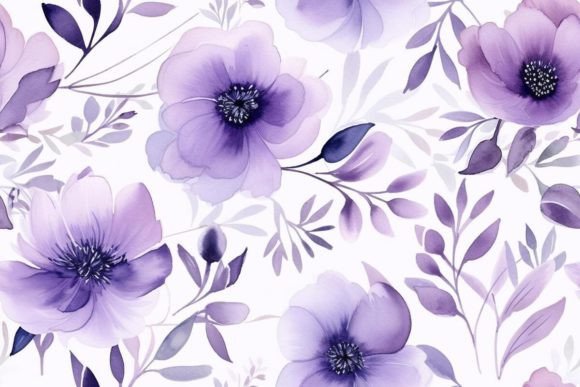
Historically, repeating patterns were often rigid, symmetrical, and sometimes monotonous. Today, the trend leans heavily into asymmetry, watercolor textures, and mixed media. Modern creators are utilizing high-resolution assets that capture the delicate veins of a leaf or the subtle gradient of a petal, ensuring that the repetition does not become visually fatiguing. Instead, the pattern acts as a rhythm, guiding the eye across a page without demanding constant attention. This shift is crucial for web designers and app developers who need to balance aesthetic appeal with usability.
Why the Shift Matters for Modern Workflows
The rise of remote work and digital-first businesses has changed how we consume content. Users spend hours scrolling through feeds, reading articles, and managing projects. A static white background can lead to visual fatigue. Integrating botanical repeating patterns into backgrounds, sidebars, or presentation decks adds a layer of comfort that encourages longer engagement times. It softens the edges of digital interaction, making technology feel more approachable and human-centric.
For freelancers and small business owners, this trend also presents a practical advantage. High-quality, pre-made repeating patterns save significant time in the production process. Instead of spending weeks designing a unique texture from scratch, professionals can leverage existing assets—like those found in curated ZIP collections—to maintain a consistent brand voice while focusing their energy on strategy and content creation. The efficiency gained allows for higher output without sacrificing quality.
Practical Applications Across Industries
The versatility of botanical repeating patterns makes them applicable across a wide spectrum of industries. Their relevance extends far beyond simple decoration; they serve functional roles in branding, marketing, and product development.
- Branding and Identity: Companies looking to position themselves as eco-friendly, organic, or wellness-oriented find these patterns invaluable. A logo or business card featuring a subtle, repeating fern motif immediately communicates a connection to nature without needing explicit text. It builds trust and authenticity, which are critical in today's market.
- E-Commerce and Packaging: In the physical retail space, packaging is the first touchpoint a customer has with a product. Repeating botanical prints on boxes, bags, or labels can transform a generic item into a premium experience. This tactile and visual enhancement justifies higher price points and fosters brand loyalty.
- Digital Content Creation: Bloggers and educators use these patterns to break up long blocks of text. A well-placed header image or a section divider featuring floral elements can improve readability and keep readers engaged. It turns a dry article into an immersive journey.
- Interior Design and Textiles: For hobbyists and interior designers, these patterns are the backbone of modern home decor. From curtains to upholstery, the ability to scale botanical art seamlessly ensures that large surfaces look cohesive and professional rather than disjointed.
Navigating the Creative Process: Quality Over Quantity
When sourcing or creating Repeating patterns botanical art, the focus must remain on the integrity of the image itself. As noted in many creative asset descriptions, titles can sometimes be misleading or randomly generated. Therefore, the most effective approach is to scrutinize the actual product images before committing to a purchase or integration.
A true seamless pattern requires technical precision. If the edges do not align perfectly, the repetition will create visible seams that ruin the illusion of continuity. This is particularly important for high-resolution applications where the pattern might be zoomed in or printed at large scales. Professionals should look for files that offer flexibility, such as high-quality JPGs or vector formats, ensuring that the artwork retains its clarity regardless of the medium.
Furthermore, the artistic style should align with the intended audience. A bold, graphic interpretation of leaves might suit a fashion brand, while a soft, watercolor wash might be better suited for a health blog. The key is to match the tone of the botanical art with the message the creator wishes to convey. There is no "one size fits all" solution; the power of these patterns lies in their adaptability.
The Role of User Feedback in Refinement
In the world of digital assets, community feedback plays a pivotal role in shaping future trends. Creators and buyers often exchange insights on what works best. For instance, a request for specific types of imagery—such as succulents versus wildflowers—can drive the direction of new collections. This collaborative environment ensures that the available resources remain relevant to current needs.
Engaging with the community also helps in curating the best tools for the job. When users leave reviews or share their experiences, it highlights which patterns offer the best value, resolution, and ease of use. This collective wisdom allows professionals to make informed decisions, avoiding low-quality assets that could compromise their final projects. It transforms the acquisition of digital art from a solitary transaction into a shared learning experience.
Sustainability and Ethical Considerations in Digital Art
Beyond aesthetics, the choice of botanical themes carries an ethical dimension. As consumers become more environmentally conscious, the depiction of nature in design becomes a statement. Using Repeating patterns botanical art that celebrates biodiversity and plant life subtly reinforces a commitment to sustainability. It reminds viewers of the natural world's importance in our daily lives.
Moreover, the shift toward digital assets reduces the need for physical samples and prototypes during the design phase. By testing patterns digitally before printing, businesses can minimize waste. This aligns with the growing demand for sustainable practices in creative industries. Every screen-based decision that avoids unnecessary material usage contributes to a greener workflow.
Looking Ahead: The Future of Organic Design
As we move forward, the integration of nature into digital design is expected to deepen. We may see more interactive botanical patterns that respond to user input, changing colors or shapes based on mouse movement or scroll position. The boundary between static art and dynamic experience will continue to blur.
However, the core principle remains unchanged: the desire for connection. Whether through a simple background texture or a complex brand identity, Repeating patterns botanical art serves as a reminder of our roots. For professionals aged 20 to 50 navigating a fast-paced, tech-driven world, these patterns offer a necessary grounding force. They provide a visual language that speaks to both the logical mind and the emotional heart.
To succeed in this evolving landscape, creators must stay curious and open to experimentation. Don't limit yourself to traditional interpretations. Mix mediums, play with color palettes, and consider how the pattern functions in different contexts. The most successful applications of botanical art are those that feel intentional and authentic, reflecting a genuine appreciation for the natural world.
Ultimately, the value of these designs lies in their ability to enhance communication. They set the mood, guide the narrative, and create a lasting impression. By embracing the rhythm of nature through repeating patterns, designers and businesses can craft experiences that resonate deeply with their audience. In doing so, they contribute to a culture that values beauty, sustainability, and thoughtful design.