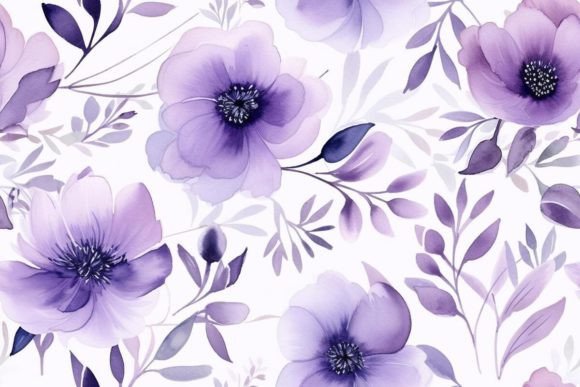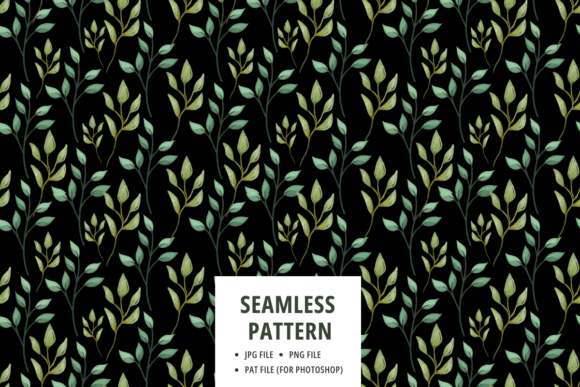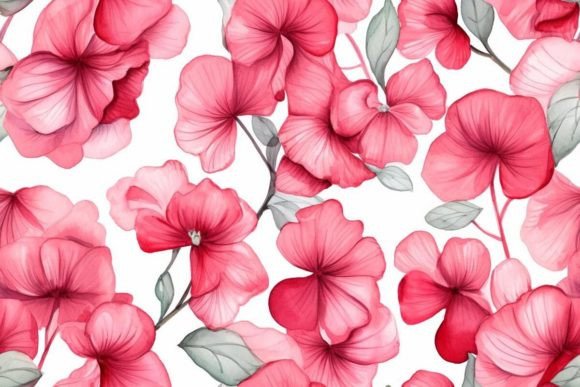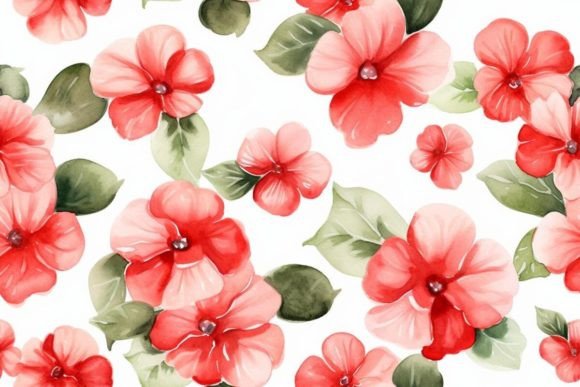
Botanical Art Botanical Patterns: Elevating Design with Nature's Blueprint
In an era where digital noise often drowns out genuine creativity, there is a distinct resurgence of interest in the organic, the detailed, and the timeless. Botanical Art Botanical Patterns stand at the forefront of this movement, offering more than just decorative elements; they provide a structured language for design that connects modern workflows with ancient natural aesthetics. Whether you are a seasoned graphic designer, a small business owner looking to brand your products, or a hobbyist seeking to add depth to your creative projects, understanding the nuances of these patterns is essential.
The current market has shifted away from sterile, minimalist designs toward environments that feel lived-in, authentic, and connected to the earth. This shift is not merely aesthetic but psychological. Users crave visuals that evoke calmness and growth. The intricate details found in high-quality botanical illustrations serve as a bridge between the chaotic digital world and the serene order of nature. By integrating Botanical art Botanical patterns into various mediums, creators can tap into a universal appreciation for flora that transcends cultural boundaries.
The Evolution of Natural Aesthetics in Modern Workflows
Historically, botanical illustration was strictly scientific, used to document species for academic study. Today, while that precision remains valued, the application has expanded dramatically into commercial and artistic domains. The evolution of Botanical Art Botanical Patterns reflects a broader change in how we consume visual information. In the past, patterns were often repetitive and flat. Now, with advancements in rendering technology and a renewed focus on sustainability, these patterns are dynamic, layered, and rich with texture.
For professionals and entrepreneurs, this evolution presents a unique opportunity. Modern branding demands authenticity. Consumers are increasingly skeptical of mass-produced, generic imagery. They want to know the story behind the product. A pattern derived from real botanical studies suggests a level of care and attention to detail that resonates with discerning audiences. When a packaging designer uses a specific leaf structure or when a web developer incorporates a subtle floral motif, they are signaling a commitment to quality and heritage.
This trend is particularly visible in the lifestyle sector. From home decor to fashion, the demand for "biophilic" design—design that seeks to connect building occupants more closely to nature—is driving the popularity of these assets. It is no longer enough to simply have green in a room; the design must reflect the complexity of the plant kingdom. Botanical Art Botanical Patterns offer the necessary complexity without overwhelming the user, providing a sophisticated backdrop that enhances rather than distracts.
Navigating Digital Assets and File Management
As creators move into the digital space, the way they acquire and manage assets becomes critical. Many resources available today come in compressed formats, such as ZIP files containing high-resolution images. For instance, a typical download might include a single JPG file where the title is randomly generated. While titles can sometimes be misleading or generic, the true value lies in the visual content itself.
It is vital for users to look beyond the filename and evaluate the image quality directly. The resolution, color accuracy, and clarity of the lines in a botanical pattern determine its utility. If a professional needs to use a pattern on large-scale merchandise, a low-resolution file will result in pixelation and a loss of the delicate details that define the genre. Therefore, the ability to inspect product images before committing to a project is a crucial skill.
Furthermore, the flexibility of these digital assets allows for customization. If a creator finds a pattern they love but needs a different orientation or a variation in density, having access to the source files (often implied in comprehensive packages) allows for adaptation. Some platforms even encourage direct communication, inviting users to request specific types of images in comments. This feedback loop ensures that the library of Botanical art Botanical patterns evolves to meet actual market needs rather than staying static.
Practical Applications for Professionals and Hobbyists
The versatility of botanical patterns makes them applicable across a wide spectrum of industries. For marketers, these patterns are powerful tools for storytelling. Imagine a skincare brand launching a new line of organic face creams. Using a background pattern featuring precise illustrations of chamomile, lavender, and rosemary instantly communicates the ingredients and the brand ethos without a single word of copy. This visual shorthand saves time and strengthens brand recall.
Educators and bloggers also find immense value in these resources. Creating engaging content requires breaking up text with visually appealing elements. A blog post about sustainable gardening becomes significantly more compelling when accompanied by accurate, beautiful botanical diagrams. These patterns do not just decorate; they educate. They can illustrate the difference between a monocot and a dicot leaf, or show the progression of a flower's bloom cycle, adding educational depth to casual reading.
- Textile Design: Fashion designers utilize these patterns to create fabrics that feel organic and luxurious. The repeatable nature of the patterns makes them ideal for printing on cotton, silk, or synthetic blends.
- Interior Decor: Home stylists use wallpaper and cushion covers featuring Botanical Art Botanical Patterns to bring outdoor spaces indoors, creating a sense of tranquility in urban apartments.
- Digital Interfaces: UI/UX designers are increasingly using soft, nature-inspired backgrounds to reduce eye strain and create a welcoming atmosphere for apps and websites.
For freelancers and business owners, the ability to source high-quality, versatile patterns quickly can be a competitive advantage. Instead of spending hours sketching or searching for stock photos that don't quite fit, a curated collection of Botanical art Botanical patterns provides immediate solutions. This efficiency allows more time for strategy and client interaction, which are the core drivers of success in the creative economy.
The Importance of Community and Feedback
The ecosystem surrounding digital creative assets thrives on community engagement. When a provider offers a resource like a ZIP file containing high-quality JPGs, the relationship doesn't end at the download. The instruction to leave a review if the product is liked serves a dual purpose: it helps future buyers make informed decisions and guides the creator in refining their offerings.
Reviews provide context that a static image cannot. A user might mention that a pattern works perfectly for print but requires resizing for web use. Another might highlight the specific color palette that complements a certain brand identity. This collective intelligence builds a more robust library over time. Following accounts dedicated to these products ensures that creators stay updated on new releases, seasonal trends, and special collections.
Supporting creators who prioritize quality and responsiveness fosters a healthier market. When businesses receive feedback, they can adjust their upload strategies, perhaps clarifying file names or providing better previews. This iterative process leads to higher standards across the board. As the audience grows more sophisticated, the demand for Botanical Art Botanical Patterns that are both aesthetically pleasing and technically sound will only increase.
Looking Forward: Sustainability and Authenticity
As we look to the future, the relevance of botanical themes is unlikely to wane. In fact, it may deepen as global conversations around climate change and environmental stewardship become more urgent. People are seeking ways to reconnect with nature, even in the digital realm. Botanical art Botanical patterns offer a way to honor the natural world while adapting it for modern use.
However, it is important to approach these trends with realism. Not every botanical pattern fits every project. Overuse can lead to clutter, and misapplication can dilute the message. Professionals must exercise judgment, selecting patterns that align with their specific goals. The key is balance—using the beauty of nature to enhance the human experience, not to mask the substance of the work.
Ultimately, the enduring appeal of Botanical Art Botanical Patterns lies in their ability to capture the essence of life. They remind us of the intricate beauty that exists in the smallest details of a fern frond or the symmetry of a petal. By integrating these elements thoughtfully into our designs, we create work that is not only functional but also meaningful. Whether you are uploading a new product, designing a website, or simply decorating your home, the principles of botanical art offer a timeless guide to creating something truly special.