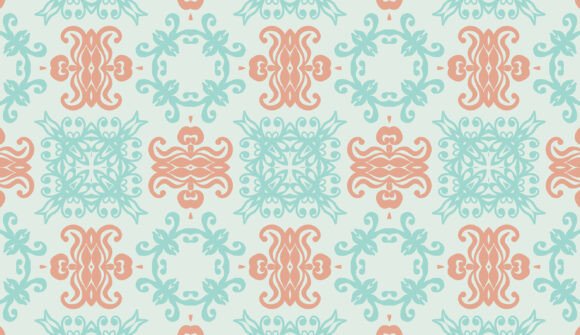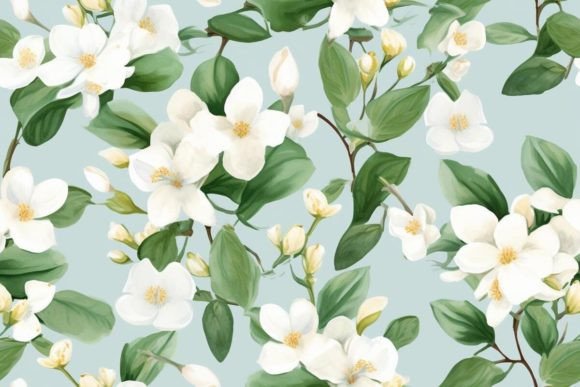
Repeating Patterns Fashion Design
In the dynamic world of textile creation, repeating patterns fashion design serves as the foundational rhythm that dictates the visual identity of a collection. It is far more than simply arranging motifs on a grid; it is a strategic exercise in consistency, flow, and scalability. For professionals, entrepreneurs, and hobbyists alike, mastering this element transforms a static image into a versatile asset capable of being applied across garments, accessories, and marketing materials. The true value lies not just in the aesthetic appeal of the pattern itself, but in how seamlessly it integrates into the broader workflow of production and brand storytelling.
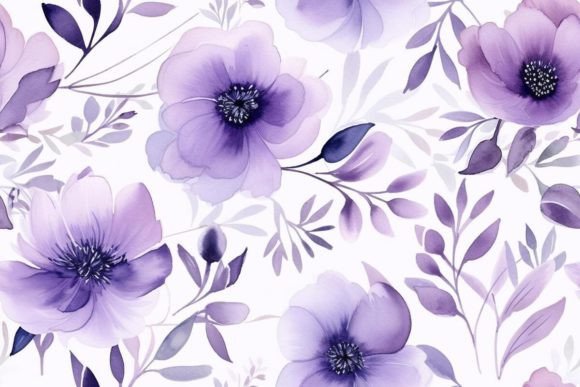
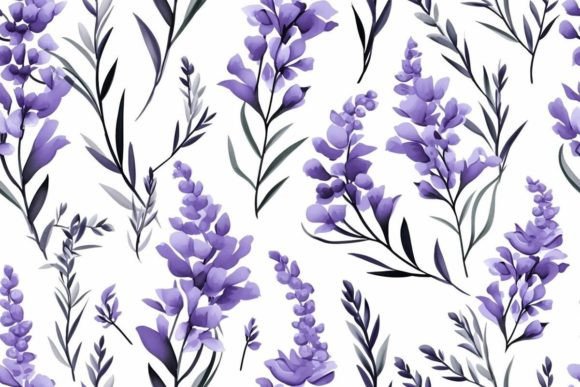
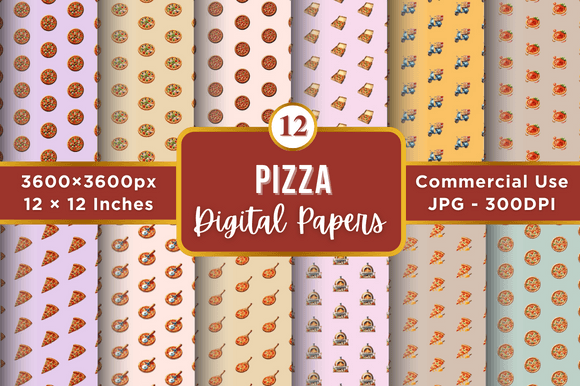
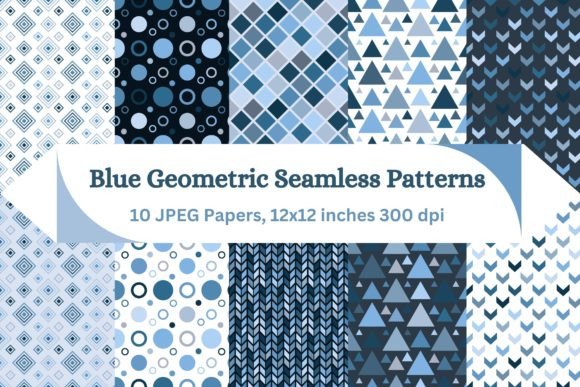
When approaching a project, whether you are a freelancer pitching to a boutique or a small business owner launching a new line, the preparation phase is critical. This is where understanding the technical nuances of repeating patterns becomes essential. A well-constructed repeat ensures that the design looks cohesive whether it is printed on a single swatch or mass-produced for a runway show. The process begins with selecting the right base assets. In many digital repositories, you might encounter collections described with generic titles like "JPG file" or random descriptors. While these metadata labels can be misleading, focusing on the actual product images allows creators to bypass the noise and identify high-quality textures, color palettes, and structural compositions immediately.
Strategic Integration in the Creative Workflow
The utility of repeating patterns fashion design extends throughout the entire lifecycle of a product, acting as a connective tissue between ideation and execution. During the conceptual phase, designers use these patterns to visualize how a fabric will drape and move. This visualization is crucial for making informed decisions about material selection before any physical sewing takes place. By integrating digital repeats early, teams can avoid costly mistakes associated with mismatched scales or clashing colors that only become apparent during the cutting stage.
In the context of e-commerce and digital marketing, these patterns play a pivotal role in content strategy. A consistent visual language helps build brand recognition. When a customer sees a specific floral motif or geometric arrangement on a social media post, they should instantly recognize the brand's style. This consistency builds trust and loyalty. Furthermore, having a library of high-quality repeats allows marketers to quickly adapt assets for different campaigns without starting from scratch. Whether creating banners for a summer sale or packaging for a holiday launch, the ability to scale and manipulate existing patterns saves significant time and resources.
- Pre-production planning: Use patterns to create mood boards and fabric samples that align with the seasonal trend forecast.
- Digital prototyping: Apply repeats to 3D garment models to assess fit and style before cutting fabric.
- Marketing collateral: Utilize pattern backgrounds for lookbooks, website headers, and email newsletters.
- Product differentiation: Create limited edition variations by altering the scale or colorway of an established repeat.
Navigating Technical Compatibility and Usability
One of the most common challenges in implementing repeating patterns fashion design is ensuring compatibility across various software platforms and manufacturing equipment. A pattern that looks perfect in Photoshop might lose its integrity when exported for a large-format printer or a screen-printing setup. Therefore, understanding the technical specifications of your output devices is as important as the artistic vision behind the design. Factors such as resolution, color mode (CMYK vs. RGB), and file format must be carefully managed to maintain quality control.
The structure of the repeat itself—whether it is a half-drop, brick, or straight repeat—determines how the design behaves on different types of fabric. A straight repeat works best for woven fabrics where the grain is strict, while a half-drop repeat often provides a more organic, flowing look suitable for draping knits. Professionals must evaluate the intended end-use of the garment to select the appropriate repeat structure. Ignoring this step can lead to visible seams or awkward breaks in the design that detract from the overall aesthetic. Organization is key here; maintaining a structured folder system for different repeat types ensures that the right asset is always at hand when needed.
Efficiency is another major driver in the adoption of robust pattern workflows. For busy freelancers and small business owners, time is a currency. Having a pre-vetted library of seamless repeats eliminates the need to manually stitch edges every time a new project begins. This allows creators to focus their energy on innovation rather than repetitive technical tasks. However, efficiency should never come at the cost of creativity. The goal is to streamline the mechanical aspects of design so that the human touch remains the focal point of the final product.
Quality Control and Long-Term Asset Management
Sustainability in design also plays a part in how we manage repeating patterns fashion design assets over time. A well-organized digital library acts as a long-term investment. Instead of constantly searching for new designs, businesses can revisit and remix successful patterns from previous seasons. This approach reduces waste and supports a circular economy within the creative industry. By reusing core motifs and simply updating colorways or scales, brands can extend the lifespan of their intellectual property while keeping their offerings fresh.
Quality control involves rigorous testing of the pattern repeat. Before a design goes to print, it is vital to check for alignment issues, pixelation, or color bleeding. This is particularly relevant when dealing with user-generated content or third-party marketplaces where file quality can vary. As noted in many digital product descriptions, titles may be randomly generated or inaccurate. Relying solely on metadata is risky; instead, users should inspect the actual image data to verify seamlessness and resolution. If a pattern does not tile perfectly, it indicates a flaw in the original creation that could ruin a bulk order.
Collaboration is often required when working with manufacturers or partners who may not have access to the same design tools. Providing clear, standardized files is essential for smooth communication. This includes specifying the type of repeat, the dimensions, and the color profiles. Clear documentation prevents misunderstandings and ensures that the final physical product matches the digital vision. In a global supply chain, these details are the difference between a successful launch and a rejected shipment.
Adapting to Emerging Trends and Tools
The landscape of fashion design is constantly evolving, driven by advancements in technology and shifting consumer preferences. AI-driven design tools and generative art platforms are beginning to influence how patterns are created. These tools can generate complex, intricate repeats in seconds, offering inspiration that humans might not conceive alone. However, the designer's role remains central in curating and refining these outputs. The ability to discern which AI-generated elements fit the brand's ethos is a critical skill.
For educators and students, incorporating these modern tools into the curriculum prepares the next generation for the realities of the industry. Teaching them to balance algorithmic generation with traditional design principles creates a hybrid skill set that is highly valued by employers. Similarly, for hobbyists, the accessibility of digital tools means that professional-grade results are within reach. The barrier to entry has lowered, allowing more diverse voices to contribute to the fashion narrative through unique pattern work.
Ultimately, the success of repeating patterns fashion design depends on a holistic approach that values both artistry and logistics. It requires a deep understanding of the medium, respect for the production process, and a commitment to continuous improvement. Whether you are uploading assets to a marketplace, preparing a collection for a trade show, or designing for a personal project, treating patterns as a strategic component of your workflow yields better outcomes. By focusing on the quality of the images, organizing assets effectively, and adapting to new technologies, creators can ensure their work stands out in a crowded market.
As you move forward with your own projects, consider the lifecycle of your patterns. How do they serve the brand? How do they perform under different conditions? And how can they be optimized for future use? These questions guide the path toward mastery. Remember that while tools and trends change, the fundamental need for beautiful, functional, and well-executed design remains constant. Embrace the process, stay organized, and let your patterns tell the story you want to share with the world.