Transforming Digital Spaces with Pattern Design Plant Patterns
In the ever-evolving landscape of digital creativity and interior aesthetics, Pattern Design Plant Patterns have emerged as a cornerstone for adding organic life to static surfaces. Whether you are a graphic designer crafting a brand identity, an educator creating engaging learning materials, or a homeowner looking to revitalize a living space, the application of botanical motifs offers a versatile solution. These designs transcend simple decoration; they serve as a bridge between nature and technology, bringing the calming essence of flora into our daily environments through high-quality visual assets.
The core value of these patterns lies in their ability to adapt. Unlike rigid geometric shapes, plant-inspired designs possess a fluidity that mimics the natural world. This section explores the fundamental characteristics that make these digital assets so highly sought after by professionals and hobbyists alike.
The Artistic Essence of Botanical Motifs
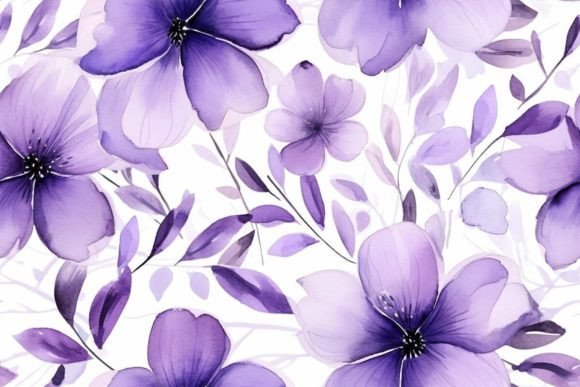
At its heart, a pattern design plant pattern is more than just a repeating image. It is a carefully curated composition that balances negative space with organic forms. The aesthetic appeal comes from the interplay of leaves, stems, flowers, and vines. When executed correctly, these designs create a rhythm that guides the eye across a surface without causing visual fatigue.
Key characteristics include:
- Organic Flow: Unlike straight lines, plant patterns utilize curves and angles found in nature, creating a sense of movement.
- Versatility: They can range from hyper-realistic botanical illustrations to abstract, minimalist interpretations of foliage.
- Scalability: High-resolution assets ensure that whether printed on a large billboard or viewed on a smartphone screen, the details remain crisp.
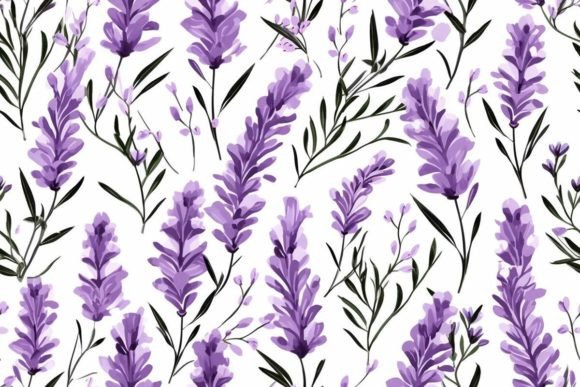
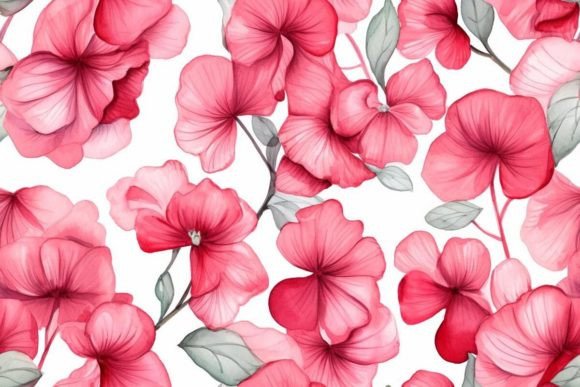
When selecting assets, it is crucial to look beyond the title, which may be randomly generated and potentially misleading. Instead, focus entirely on the product images to assess the complexity, color palette, and repetition logic. A well-designed pattern should seamlessly tile, meaning there are no visible breaks where one instance meets another.
Practical Applications Across Industries
The utility of Pattern Design Plant Patterns extends far beyond simple wallpaper. Their versatility allows them to be integrated into a wide array of workflows and industries, serving both functional and decorative purposes.
Textile and Fashion Design
For fashion designers and textile manufacturers, these patterns are indispensable. The demand for sustainable and nature-inspired clothing continues to rise. By utilizing high-quality plant patterns, creators can produce fabrics that evoke a sense of tranquility and connection to the earth. From summer dresses featuring delicate floral repeats to upholstery fabrics showcasing lush fern textures, the applications are endless.
Digital User Interfaces (UI) and Web Design
In the digital realm, background patterns play a significant role in user experience. A subtle plant pattern can soften the starkness of a white interface, making a website feel more welcoming and less clinical. Educators and researchers often use these backgrounds in presentation slides or digital reports to break up text-heavy content and maintain audience engagement. The organic shapes help to guide attention naturally, reducing cognitive load.
Interior Decor and Home Styling
Homeowners and interior designers frequently turn to plant patterns to transform rooms. Whether applied to throw pillows, curtains, or wall murals, these designs bring the outdoors in. In urban environments where access to green spaces might be limited, incorporating botanical imagery creates a biophilic effect, known to reduce stress and improve mental well-being.
Packaging and Branding
Business owners seeking to position their products as eco-friendly or artisanal often rely on these motifs. Packaging adorned with elegant leaf patterns signals quality and a respect for nature. For small business owners, having a unique set of patterns can differentiate their brand in a crowded marketplace.
Selecting the Right Assets: A Guide for Creators
Navigating the vast library of available digital assets requires a discerning eye. When browsing collections labeled as Pattern Design Plant Patterns, users must prioritize visual evidence over metadata. Titles are often automated and may not accurately reflect the specific type of vegetation or style included.
- Analyze the Preview Images: Zoom in to check the resolution. Blurry edges indicate low-quality vectors or rasterized images that will pixelate when enlarged.
- Check the Tiling Logic: Look for "seamless" indicators in the image. A good pattern should repeat infinitely without obvious grid lines.
- Assess Color Variations: Consider if the pattern comes in multiple colorways. A monochromatic version might suit a modern office, while a vibrant, multi-colored version could work better for children's educational materials.
- File Format Verification: Ensure the package includes the necessary file types. Typically, a ZIP archive containing JPG files provides immediate usability for web and print, though vector formats offer superior scalability for large-scale production.
By focusing on the visual output rather than the descriptive text, creators can save time and ensure the final result meets their professional standards.
Benefits of Integrating Organic Patterns
Why choose plant-based designs over other geometric or abstract options? The answer lies in the psychological impact of nature imagery. Studies in environmental psychology suggest that exposure to natural elements, even in two-dimensional form, can lower blood pressure and improve mood. Incorporating Pattern Design Plant Patterns into a workspace or home environment leverages this biophilic response.
Furthermore, these patterns offer a timeless quality. While trends in solid colors or specific geometric shapes may come and go, the representation of nature remains eternally relevant. A pattern featuring oak leaves or ivy will never feel dated, ensuring that investments in these assets provide long-term value.
For educators, these visuals are powerful tools for teaching. They can be used to illustrate concepts in biology, art history, or even mathematics (when discussing symmetry and tessellation). The visual richness helps capture the attention of students who might otherwise struggle with dry text.
Implementation Strategies for Professionals
Integrating these patterns effectively requires a strategic approach. It is not merely about slapping a background onto a canvas; it is about harmony and context.
Layering and Contrast: When using a dense plant pattern, pair it with solid, neutral colors to prevent visual clutter. Conversely, a sparse, minimalistic vine pattern can be overlaid on bold typography to create depth and texture.
Color Harmony: Ensure the colors within the plant pattern complement the overall color scheme of your project. If the design features deep greens and golds, the surrounding elements should echo these tones to create a cohesive look.
Technical Optimization: For web applications, optimize the JPG files to balance quality with load times. Large, high-resolution images can slow down page speeds, negatively affecting SEO and user retention. Compressing images without sacrificing visible detail is a critical step in the workflow.
The Future of Botanical Digital Art
As we move forward, the intersection of technology and nature in design becomes increasingly sophisticated. With advancements in generative AI and procedural generation, the possibilities for creating unique Pattern Design Plant Patterns are expanding. We are seeing a shift towards dynamic patterns that change based on user interaction or time of day, further blurring the line between digital and physical realities.
However, the human touch remains essential. The best patterns are those that capture the imperfection and beauty of real plants. Whether it is the slight curl of a leaf or the asymmetry of a flower cluster, these nuances add character that algorithmic perfection often lacks.
Community and Continuous Improvement
The ecosystem surrounding digital design assets thrives on community feedback. When creators share their work, they contribute to a collective knowledge base that helps others find the right tools for their projects. Engaging with the community allows for the exchange of tips on usage, licensing, and creative techniques.
If you find a particular set of patterns useful, consider leaving a review. Your feedback helps other professionals and hobbyists identify high-quality resources. Constructive comments regarding the clarity of the images or the ease of use can guide future developments in the industry. Furthermore, following creators who specialize in botanical art ensures you stay updated on new releases and emerging trends.
Supporting these artists encourages the production of diverse and high-quality content. It fosters an environment where innovation in design is rewarded, leading to better tools for everyone involved in the creative process.
Conclusion
In summary, Pattern Design Plant Patterns represent a vital resource for anyone looking to infuse their work with the beauty and stability of nature. From their practical applications in fashion and web design to their psychological benefits in interior spaces, these assets offer unparalleled versatility. By focusing on the visual quality of the product images and understanding the specific needs of your project, you can leverage these designs to create impactful, enduring, and aesthetically pleasing results.
Whether you are a seasoned professional refining a brand's visual identity or a hobbyist decorating a personal space, the right plant pattern can elevate your work to new heights. As you explore your options, remember to prioritize the visual evidence, engage with the community, and embrace the organic flow that only nature-inspired design can provide.